

How Mileage Affects the Value of Your Used Car
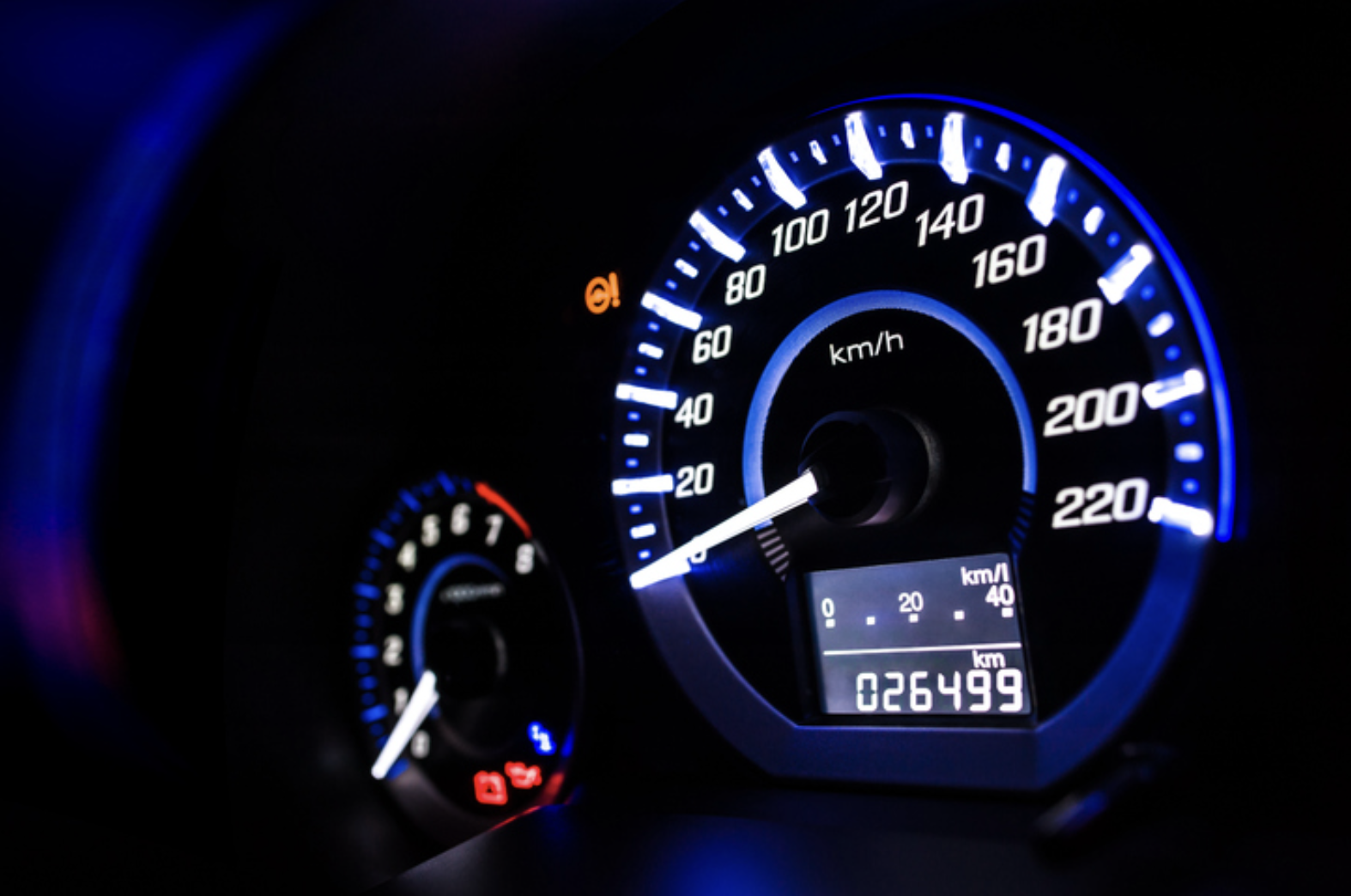
How Mileage Affects the Value of Your Used Car
When you're searching for a quality used car in St. George, you'll likely face a classic question: what matters more, the year of the vehicle or the miles on its odometer? Many buyers believe lower mileage is always better, but the truth is more complex. Understanding the relationship between a car's history, its mileage, and its current condition is key to making a smart purchase.
At Utah Used Cars, we want to help you feel confident in your decision. This guide will explore the mileage vs. age debate, offer practical used car mileage tips, and explain how driving conditions right here in Southern Utah affect a vehicle's longevity.
Car Value vs. Mileage: Which Is More Important?
It’s a common debate among car shoppers. Should you choose a newer car with higher mileage or an older car that has been driven less? While there isn't a single right answer, looking at how the car accumulated its miles provides more insight than the number itself.
Generally, the average driver in the U.S. puts about 12,000 to 15,000 miles on their car each year. A three-year-old car with 90,000 miles has seen a lot of road, likely from a long daily commute. In contrast, a ten-year-old car with the same mileage has been driven much less frequently.
The key takeaway is that mileage provides a snapshot of wear and tear. More miles often mean more use of the engine, transmission, brakes, and suspension. This is why the mileage impact on resale value is so significant. However, a well-maintained high-mileage car can be a more reliable choice than a low-mileage vehicle that was neglected or driven harshly.
Used Car Mileage Tips: What to Look For
Odometer readings are a starting point, not the final word. When you're inspecting a potential vehicle, use these tips to evaluate its mileage in the proper context.
Evaluate the Type of Miles
Not all miles are created equal. A car with 100,000 miles primarily from smooth, consistent highway driving has experienced less strain than a car with 50,000 miles of stop-and-go city traffic. Highway miles are easier on the engine, transmission, and brakes.
Ask about the previous owner's driving habits if possible, or look for clues like worn brake pedals and shifters, which can indicate heavy city use.
Review the Vehicle History Report
A vehicle history report is non-negotiable. This document provides a timeline of the car's life, including service records, accident history, and title information.
Consistent maintenance records are a fantastic sign. They show that the previous owner took care of the vehicle, which is crucial for long-term reliability, regardless of the mileage. A car with 80,000 miles and a perfect service history is often a better bet than one with 40,000 miles and a spotty record.
Conduct a Thorough Inspection
Look beyond the odometer. Inspect the car for physical signs of wear that align with its mileage.
Check the tires, brake pads, and fluid levels. Look under the hood for any leaks or corrosion. Inside, examine the upholstery, pedals, and steering wheel. Excessive wear in these areas on a low-mileage car could be a red flag, while a high-mileage car that looks pristine was likely well-cared-for.
High-Mileage Cars in Utah: Local Considerations
Driving in St. George and the surrounding Southern Utah area presents unique challenges for any vehicle. The summer heat, steep grades, and dusty conditions all play a role in a car's health. When considering high-mileage cars in Utah, it's important to think about these local factors.
The Impact of Heat
Extreme summer temperatures can be tough on a car's engine, battery, and cooling system. A high-mileage vehicle that has spent its life in a hot climate needs a robust cooling system.
Check the radiator and hoses for any signs of cracking or leaks. An overheated engine can cause catastrophic damage, so ensuring the cooling system is in top shape is critical.
Mountain and City Driving
Our local landscape involves everything from climbing the Black Hill to navigating city traffic on St. George Boulevard. This combination of steep inclines and stop-and-go driving puts extra stress on the transmission and brakes.
For a high-mileage car, it’s wise to check that the transmission shifts smoothly and the brakes are responsive. A mechanic can help assess the condition of these vital components.
Dust and Debris
The desert environment means more dust and sand in the air, which can clog engine air filters and impact performance. A vehicle that has been regularly serviced in this region should have a history of frequent air filter changes.
This simple maintenance step has a big impact on engine efficiency and longevity.
Finding the Best Value at Utah Used Cars
The relationship between car value and mileage is clear: higher miles typically mean a lower price. However, a high-mileage vehicle doesn't have to be a risky purchase. By understanding what to look for, you can find an exceptional deal on a reliable car that will serve you well for years to come.
The mileage impact on resale is a factor, but a well-maintained vehicle will always hold its value better than a neglected one. At Utah Used Cars, we carefully inspect every vehicle in our inventory. We believe in transparency and want to help you understand the full story of the car you're interested in.
Browse our inventory online or visit us in St. George. Our team is here to answer your questions and help you find a quality used car that fits your needs and budget, no matter the mileage.